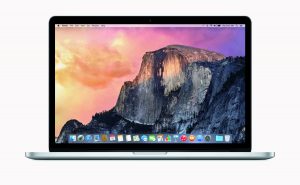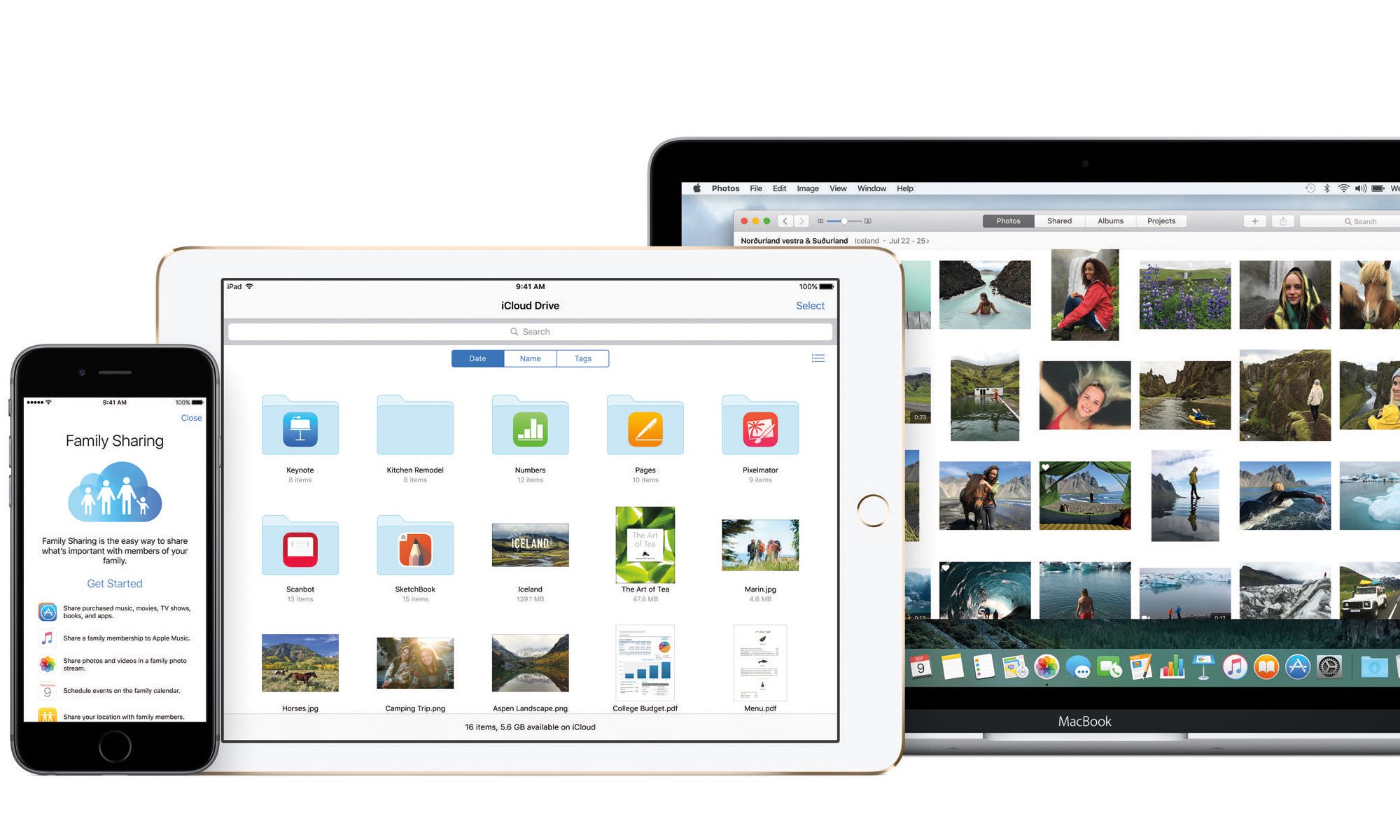
Apple’s Migration Assistant is a built-in tool that makes it easy to transfer your data, apps, and settings from one Mac to another — even without an external drive. When both Macs are connected to the same network, you can migrate wirelessly and be up and running on your new Mac in no time.
Here’s a detailed step-by-step guide on how to install a GoDaddy SSL certificate on your Synology NAS, but it can be for any domain provider.
Before you start please make sure you have a compatible Synology model with DSM and that you have already purchased the SSL certificate from your domain provider. This is critical with the correct DSM it won’t work.
In an era where data privacy is paramount, securing your home or small business network storage is non-negotiable. Synology Network Attached Storage (NAS) devices, running the intuitive DiskStation Manager (DSM) operating system, offer robust features for file sharing, backups, and media streaming. However, by default, they use self-signed certificates that trigger browser warnings and leave connections vulnerable. Enter SSL/TLS certificates from trusted authorities like GoDaddy—these provide encrypted, verified connections, ensuring your data stays safe from eavesdroppers.
This guide focuses on installing a GoDaddy SSL certificate on a Synology NAS running DSM 7 (the current standard as of late 2025). Whether you’re accessing your NAS remotely via a custom domain or just want to eliminate those pesky “Not Secure” alerts, follow these steps carefully. We’ll assume you have administrative access to your NAS and a GoDaddy account. If you’re on DSM 6, the process is similar but check Synology’s legacy docs for tweaks.
Hey everyone! We just hit 500 subscribers on YouTube! When I started this channel, I just wanted to help other Mac users get the most out of their devices — and seeing this community grow means the world to me.
I suppose it’s fitting that this article is my 200th article published for this website.
We’re just getting started — more Mac tips, tricks, and tutorials are on the way. If you haven’t already, hit subscribe, and let’s reach 1,000 next!
HP Elite monitors, part of the company’s premium EliteDisplay lineup, are popular for their high-quality panels, ergonomic designs, and versatile connectivity options. These monitors often feature DisplayPort (DP) inputs alongside HDMI, VGA, or other ports, making them suitable for professional setups. However, users frequently encounter problems when using adapters to bridge DisplayPort and HDMI connections. This article explores the common reasons behind these issues, focusing on why adapters like DisplayPort to HDMI (or vice versa) may not work as expected, based on widespread user reports and technical explanations.
Soomfon’s catalog is a testament to their hardware prowess, with devices that cater to both casual users and professional setups. Here’s a closer look at some of their standout offerings:
In the fast-paced world of consumer electronics, where convenience meets cutting-edge technology, Soomfon Hardware stands out as a brand dedicated to crafting reliable, user-centric devices. Founded by a team of passionate tech enthusiasts in Shenzhen, China, under Shenzhen Xfanic Technology Co., Ltd., Soomfon has been blending over a decade of hardware expertise with the latest innovations to deliver products that enhance everyday digital experiences. Specializing in Audio & Video accessories and streaming tools, Soomfon is particularly appealing to content creators, gamers, and professionals who demand seamless integration into their workflows.
Here’s an article outlining a practical and informative guide to setting up mobile Starlink hardware:
Hardware Setup Guide for Mobile Starlink (RV/Marine/Vanlife Use) With SpaceX’s Starlink revolutionizing internet access in remote areas, many RV travelers, vanlifers, and boaters are now using it for high-speed internet on the move. While Starlink is plug-and-play for residential use, setting it up for mobile scenarios requires specific hardware considerations. Here’s a comprehensive guide to setting up a mobile Starlink system.
As of October 2025, macOS offers a wide array of keyboard shortcuts to boost productivity, navigate the system, and perform tasks efficiently. This article compiles all the standard keyboard shortcuts from Apple’s official support documentation. These are organized by category for easy reference. Note that some shortcuts may vary slightly based on your macOS version, keyboard layout, or app context. Shortcuts use symbols like Command (⌘), Shift (⇧), Option (⌥), Control (⌃), and Fn.
You can customize many shortcuts in System Settings > Keyboard > Keyboard Shortcuts. For apps like Safari or Finder, additional app-specific shortcuts exist, but this focuses on system-wide ones.
In our ever-connected world, the Enence Instant Translator aims to make face-to-face conversation effortless across languages. Marketed as a compact, plug-and-play solution, this device promises real-time, two-way speech translation in dozens of languages — a practical tool for travel, business, and casual conversation.
With the new security settings in macOS Tahoe, it’s becoming harder to setup a clean boot drive for macOS. Even with an intel machine the boot to an external drive seems to becoming to an end. With silicon machines you boot from the power button unlike Intel using the Command (⌘) key. Both sequences give you the option to boot from an external drive. For Silicon you do need to turn off the Security Policy otherwise it will just sit there.
The two options you can use are clone an existing ext drive boot to that and run the macOS update. You do need a machine that can take macOS Tahoe. Currently all silicon (M1-4 chips) can do this. The second option is start with a clean machine run macOS Tahoe update once completed on the machine plug in an external drive and clone the Mac OS over to the ext drive using a software like Carbon copy cloner. Once completed always test your work I.e check it can boot to the external drive.